
Bad Bunny and Apple Music Invite the World to Dance at Super Bowl 60
Apple Music released the official trailer for Bad Bunny’s halftime performance at Super Bowl 60.Read More
Apple Music released the official trailer for Bad Bunny’s halftime performance at Super Bowl 60.Read More
Once a company hits a plateau in its market share, the pressure begins to mount.
Investors want more of a return, shareholders want the stock price to go up. Managers pay attention to the metrics they’re held to, and the squeeze begins.
At first, the squeeze focuses on efficiency. Cut obvious costs without diminishing customer delight or the conditions that the employees work under.
That doesn’t pay off forever, particularly in competitive markets.
At this point, there are two options:
The first is to reengage with the market. Innovate. Create opportunities for customers to find more opportunities and value. Use the resources you have to make something better.
The other, which is far more common, is to squeeze people–imagining that they might not notice, and then, with full knowledge that they do, but betting that they don’t have much of a choice.
Diminish the quality of life for employees. Demand more, offer less. Increase stress and forget what the original focus of the organization might have been.
Raise prices but lower quality and portion size and service at the same time.
Fedex decided that answering the phone on the first ring, happily honoring their guarantee and bringing extraordinary service to customers wasn’t as important as increasing their bottom line. Phone trees, unattended email boxes and plenty of fine print all exist to squeeze a few more dollars out of their existing sales.
JP Morgan Chase actively chooses to maximize short-term profit, betting that customers are too entrenched to switch. They’ll invest in coal, amplify credit card debt and outsource whatever they can to increase their margins.
If you use either of these companies, or any of their peers, can you honestly say that they care more and deliver more value than they used to?
Cory Doctorow describes the monopolistic dead ends built into most corporate financing schemes. Enshittification isn’t the decay that comes from neglect. It’s the active squeeze, trading the path of better for the short-term goal of making a few more pennies.
When an organization races to the top, they’re very clear about what they’re doing. They’ll engage their team and the market in a mutual dance toward possibility and improvement.
But when an organization is focused on the squeeze, they know precisely what they’re doing, but will obfuscate and deny instead of admitting it.
That should tell you something.
Brands including e.l.f., Liquid Death, Lego, Skittles, and Cadbury were behind the week’s notable ads.Read More
CMO Marian Lee talks Netflix’s new campaign and how a Stranger Things theory had her questioning reality.Read More
A jury on Thursday found that TV measurement firm EDO — which was co-founded by actor Ed Norton — liable for breaching its contract with iSpot, both companies confirmed, awarding iSpot $18.3 million in damages. ISpot was seeking up to $47 million. Read More

In January 2026, London’s mayor gave a blunt warning that has reverberated far beyond City Hall: artificial intelligence could trigger “mass unemployment” in the capital’s core industries unless policymakers act now. His words came with an unexpected counterweight: an announcement of free AI training and a dedicated task force to help workers adapt. This juxtaposition captures a tension shaping Europe’s labour landscape: fear and opportunity locked in the same story. The anxiety isn’t limited to one city. Across the continent, debates about AI’s impact on jobs are intensifying. Visionaries and critics paint dramatically different pictures. Some technologists warn that advanced…
This story continues at The Next WebRead More
The brand will run a social campaign around the game instead.Read More
Gap makes a push into entertainment, hiring Pam Kaufman as its first chief entertainment officer.Read More
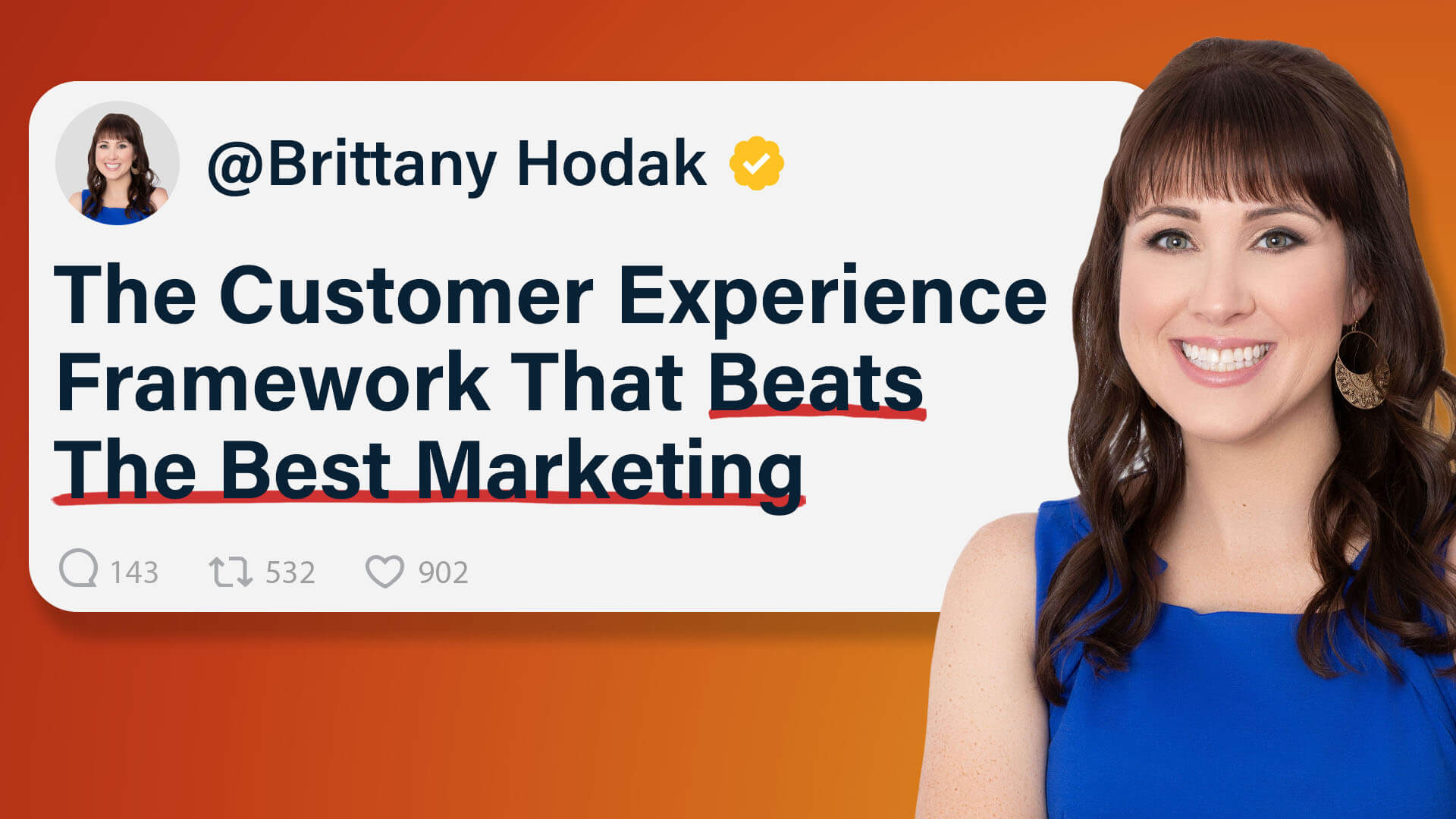
Wondering how other companies get customers to actively promote their business? Want to explore a proven framework that turns one-time buyers into lifelong advocates? In this article, you’ll discover how to create superfans using a proven five-step framework that transforms customer experience into customer loyalty and referrals. Why Customer Experience Matters for Marketers Marketing generates […]
The post When Customers Create More Customers: Creating Superfans appeared first on Social Media Examiner.
Pop culture is spiralling.
I had no idea what “mad magazine autostereogram, cutecore” meant, but it was enough for Midjourney to create this:

Older generations have always been left out of the codewords and trends of the makers of pop culture, but the gatekeepers and lack of shelf space kept pop, popular. There are only 40 songs in the Top 40, only a few hit network TV shows.
Three things have changed:
The end result is that pop is not popular anymore. It may never be again. The center was a moment in time, but the edges are now everywhere.
We should plan accordingly.