
TikTok Reverses Plan to End Independent Shipping for U.S. Sellers
In an email to merchants, TikTok said Seller Shipping “remains unchanged,” pausing the earlier plan that would have required orders to go through its own logistics network.Read More
In an email to merchants, TikTok said Seller Shipping “remains unchanged,” pausing the earlier plan that would have required orders to go through its own logistics network.Read More
The cable viewing segment was the star of the month, with a +9% increase in viewership compared to December.Read More

If you tuned in to China’s 2026 CCTV Spring Festival Gala looking for traditional lion dances and nostalgic tunes, you may have done a double-take when what greeted you was a squad of humanoid robots performing kung fu, synchronized moves, and comedy sketches with more precision than most of us manage during family reunions. It […]
This story continues at The Next WebRead More
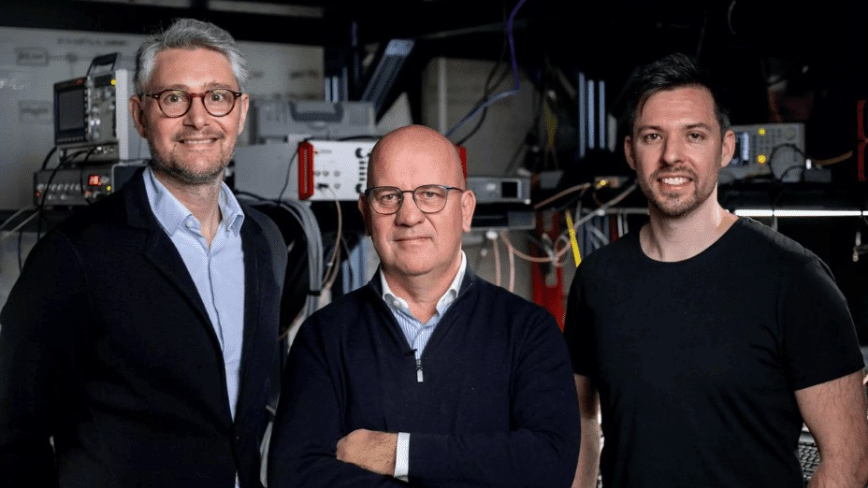
A Paris-based venture firm that has quietly shaped the quantum technology scenery is now making a much louder statement about Europe’s role in the future of computing, materials science, and sensing. Quantonation Ventures has today announced the successful close of its second flagship fund at €220 million, more than double the size of its first […]
This story continues at The Next WebRead More
An AI like Claude is actually a pretty good fortune cookie. You can ask a simple question and get a simple answer, sometimes a profound one.
But this is a waste of the tool’s potential.
The AI is patient. It’s capable of remembering things over time. And it will persist if you let it.
Several of my friends have shared that they’re at a crossroads with their work, and I suggested an AI coach might unlock something. Here’s a chance to spin up an AI coach who will stick with you for hours or weeks as you explore a new skill or grapple with a hard decision.
The first one:
You are my thinking partner and life design coach. I’m not looking for a quick answer. I’m looking for a smart, patient collaborator who will help me explore what’s next—over weeks and months, not in a single conversation. Ask more than you tell, at least at first.
About me: I’m 63. I’m retiring with full pay from a successful career as an educator in Chicago. I’m not burned out—I’m ready. I’ve spent decades being good at something that matters, and I want to find the next thing that deserves that same energy.
What I’m not looking for: A list of “top ten encore careers.” A personality quiz. Pressure to monetize immediately. I don’t need to replace my income—I need to replace my sense of purpose and craft.
What I am looking for:
Start by asking me five or six good questions. Not surface-level ones. The kind a wise friend would ask over a long dinner.
And the next:
You are my AI filmmaking coach and tutor. Your job is to help me build, step by step, the skills and workflow to create a short film using AI tools. I learn best by doing—give me exercises, not just explanations. Be honest when something isn’t ready for what I need.
About me: I’m a filmmaker and author. I’ve written and directed five critically acclaimed independent films. I’m an experienced screenwriter. I’m new to AI creative tools but I’m a fast, motivated learner.
The project: I want to make a short film about …. I want to lean into what AI does well stylistically and avoid the uncanny valley entirely.
Tools I’m aware of: I’ve seen Midjourney produce still images that match the mood and visual style I’m after. I’ve seen tools like Runway, Kling, and Sora that generate short video clips from prompts. I don’t yet know how to connect these into a production workflow.
What I need from you:
Enjoy the journey.
The basketball legend’s personal ties to the telecom firm aligned with a campaign marking 150 years since the first phone call.Read More
The baby registry site tapped Koddi to power ads.Read More
When European tech observers talk about AI ambition, the narrative often splits neatly in two: models and infrastructure. On one side are the clever bits of code that can write, reason, and generate text or images. On the other is the gritty reality of making those bits run reliably, at scale, and in production. Today, […]
This story continues at The Next WebRead More
Kroger U.S. has named McCann as its creative agency of record, the agency confirmed to ADWEEK. The grocery retailer is one of over a dozen banners owned by The Kroger […]Read More
New data shows layoffs attributed to AI remain limited, even as expectations for faster, higher-volume output have risen.Read More